
How to Assess the Load Capacity of a Drive Chain

Introduction
A drive chain is a crucial component in various applications, ensuring the smooth transmission of power and motion. To ensure the optimal performance and safety of a drive chain, it is essential to assess its load capacity accurately. In this article, we will explore the methods and considerations involved in assessing the load capacity of a drive chain.
Understanding Load Capacity
Load capacity refers to the maximum amount of force or weight that a drive chain can withstand without experiencing failure or deformation. Assessing the load capacity is crucial for determining the suitability of a drive chain for a specific application.
Factors Influencing Load Capacity
- Material Strength: The material used in the drive chain construction plays a significant role in determining its load capacity. Higher strength materials can withstand greater loads.
- Chain Design: The design of the chain, including the shape and size of its components, impacts the load capacity. Chains with larger components tend to have higher load capacities.
- Lubrication: Proper lubrication reduces friction and wear, improving the load capacity of the drive chain.
- Speed and Acceleration: Higher speeds and accelerations can increase the load on the chain, affecting its load capacity.
- Environmental Conditions: Factors such as temperature, humidity, and exposure to chemicals can influence the load capacity of the drive chain.
Assessing Load Capacity
There are several methods to assess the load capacity of a drive chain:
1. Static Load Testing
Static load testing involves applying a known static load to the chain and measuring the resulting deflection. By comparing the measured deflection to the chain’s specifications, you can determine its load capacity.
2. Dynamic Load Testing
Dynamic load testing evaluates the chain’s performance under varying loads and operating conditions. By subjecting the chain to different loads and speeds, you can assess its load capacity in real-world scenarios.
3. Computer Simulations
Computer simulations utilize advanced software to model and analyze the chain’s behavior under different load conditions. This method provides a detailed understanding of the chain’s load capacity and allows for optimization.
4. Manufacturer’s Data
Manufacturers often provide load capacity charts or tables based on extensive testing and research. These resources can serve as a valuable reference for assessing the load capacity of a drive chain.
Choosing the Right Drive Chain
When selecting a drive chain for a specific application, several factors should be considered:
1. Load Requirements
Evaluate the expected loads the chain will experience in the application. Consider both static and dynamic loads, as well as any potential variations.
2. Speed and Acceleration
Determine the required operating speed and acceleration of the chain. Higher speeds and accelerations may necessitate chains with higher load capacities.
3. Environmental Conditions
Assess the environmental factors the chain will be exposed to, such as temperature, humidity, and the presence of corrosive substances. Choose a chain that can withstand these conditions.
4. Chain Material
Consider the material options available and select a chain with suitable material properties for the intended application.
5. Lubrication Requirements
Identify the lubrication requirements of the chain and ensure that appropriate lubrication methods can be implemented.

Installation of Drive Chain
Proper installation is crucial for ensuring the optimal performance and longevity of the drive chain. Follow these steps:
1. Chain Inspection
Inspect the chain for any signs of damage or wear before installation. Replace any worn or damaged components.
2. Correct Sprocket Alignment
Align the drive and driven sprockets properly to ensure smooth engagement and minimize wear.
3. Tension Adjustment
Adjust the chain tension according to the manufacturer’s recommendations. Insufficient tension can cause slippage, while excessive tension can lead to premature wear.
4. Lubrication
Apply the appropriate lubricant to the chain, ensuring all components are adequately coated. Regularly lubricate the chain to maintain optimal performance.
Now that you have a better understanding of assessing the load capacity, selecting the right drive chain, and proper installation, you can confidently incorporate drive chains into your applications. Drive chains offer several advantages:
- High Strength and Durability: Drive chains are designed to withstand heavy loads and provide long-lasting performance.
- Efficient Power Transmission: Drive chains offer high efficiency in transferring power, minimizing energy losses.
- Wide Range of Applications: Drive chains are versatile and can be used in various industries, including automotive, manufacturing, agriculture, construction, and mining.
- Resistance to Harsh Environments: Drive chains are often engineered to withstand extreme temperatures, chemicals, and other challenging environmental conditions.
- Cost-Effective Solution: Drive chains provide a cost-effective transmission solution compared to alternatives like belts or gears.
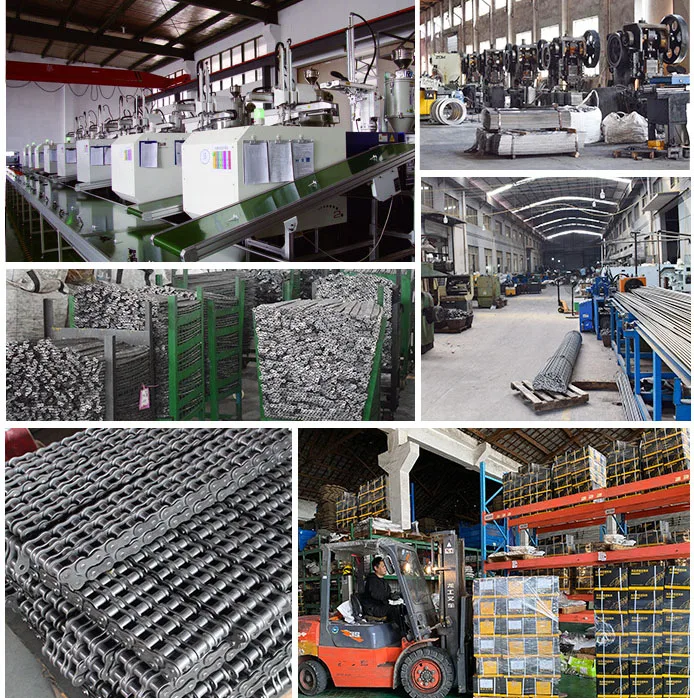
With our extensive experience in drive chain development, manufacturing, and sales, we are dedicated to providing you with the highest quality products and services. Our company specializes in drive chains, industrial chains, plastic drag chains, motor chains, bush chains, plastic chains, drag chains, tabletop chains, multiflex chains, flexible chains, and heavy-duty chains. Our products are widely recognized and trusted in the automotive, manufacturing, industrial automation, agriculture, mining, food and beverage, and textile industries.
Explore the benefits of our drive chains and experience the excellence of our products. Partner with us for all your drive chain needs!
Edited by Czh.