

Introduction
Drive chains are an essential component in the assembly lines of the automotive industry. They are used to transmit power from one component to another in the assembly process. Drive chains ensure the smooth and efficient functioning of assembly lines, thereby increasing productivity and reducing downtime. In this article, we will explore the working principle of drive chains, how to select the appropriate drive chain, and how to install it.
Working Principle of Drive Chains
Drive chains are designed to transmit power from one component to another using a series of interconnected links. They consist of inner and outer link plates, pins, bushes, and rollers. The inner links have two or more holes that are used to connect the outer links, which have a corresponding number of pins. The pins are inserted through the holes in the inner links and are held in place by bushes.
The rollers are positioned between the inner and outer link plates and are free to rotate. As the drive chain moves, the rollers rotate, and the chain transmits power from one component to another via the pins that engage with the sprockets.
Selection of Drive Chains
When selecting the appropriate drive chain for automotive assembly lines, there are several factors to consider:
- Load capacity: The drive chain should be able to withstand the load to which it will be subjected during the assembly process.
- Speed: The drive chain should be able to operate at the required speed without experiencing excessive wear.
- Environment: The drive chain should be able to operate in the environmental conditions of the assembly line, including temperature, humidity, and exposure to chemicals.
- Maintenance: The drive chain should be easy to maintain and repair to minimize downtime.
- Cost: The cost of the drive chain should be reasonable and provide value for money.

Installation of Drive Chains
Proper installation is critical in ensuring the optimal performance of drive chains. The following steps should be followed when installing drive chains:
- Clean: Remove any dirt or debris from the sprockets and chain.
- Align: Align the sprockets to ensure that they are parallel and in the same plane.
- Tension: Adjust the tension of the drive chain to ensure that it has the correct amount of slack.
- Lubricate: Apply lubrication to the chain to reduce friction and wear.
- Inspect: Regularly inspect the drive chain for wear and damage and replace any components as necessary.
Advantages of Drive Chains for Automotive Assembly Lines
Drive chains have several advantages over other types of power transmission systems:
- High durability: Drive chains are designed to withstand high loads and resist wear and tear, making them suitable for use in the harsh environment of automotive assembly lines.
- Low maintenance: Drive chains are easy to maintain and repair, reducing downtime and increasing productivity.
- Cost-effective: Drive chains provide value for money and have a low cost of ownership over their lifespan.
- High efficiency: Drive chains have high power transmission efficiency, resulting in less power loss and better energy efficiency.
- Flexible: Drive chains can be easily customized to meet the specific requirements of automotive assembly lines.
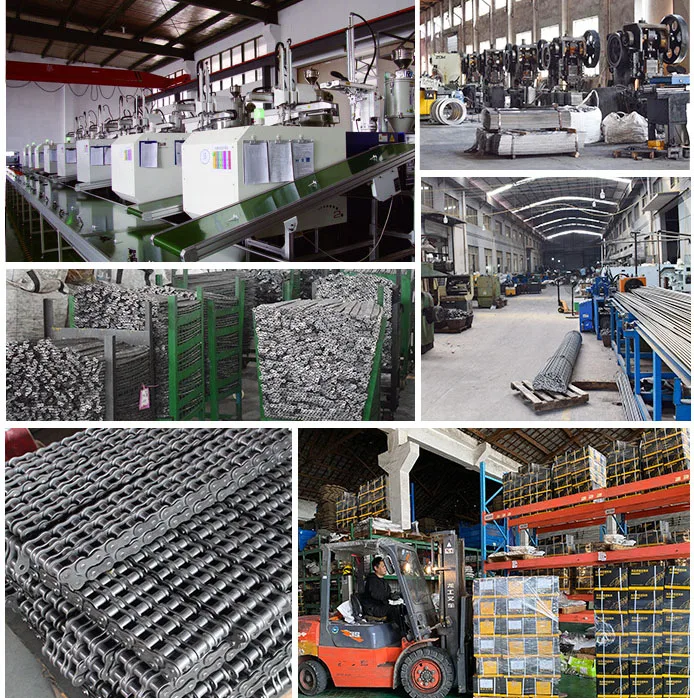
Our company is a leading manufacturer of drive chains for the automotive industry. With over 15 years of experience in design, production, and sales, we provide high-quality drive chains that are durable, reliable, and cost-effective. Our products are widely used in the automotive, manufacturing, industrial automation, agriculture, construction, mining, food and beverage, and textile industries, among others. We have a reputation for providing exceptional service, high-quality products, and competitive pricing. Contact us today to learn more about our products and services.
Edited by Czh