
Drive Chains for Marine Propulsion Systems

A drive chain is a crucial component in marine propulsion systems. It plays a vital role in transmitting power from the engine to the propeller, ensuring efficient and reliable performance. In this blog post, we will explore the various aspects of drive chains for marine propulsion systems, including their advantages, working principles, and selection criteria.
Advantages of Drive Chains in Marine Propulsion Systems
1. High Durability: Drive chains are designed to withstand the harsh marine environment, including exposure to saltwater and extreme temperatures.
2. Efficient Power Transmission: Drive chains provide a direct and efficient power transmission from the engine to the propeller, minimizing energy loss.
3. Easy Maintenance: Drive chains are relatively easy to maintain, requiring periodic lubrication and inspection for optimal performance.
4. Load Handling Capability: Drive chains can handle high loads, making them suitable for heavy-duty marine applications.
5. Versatility: Drive chains can be customized to fit different marine propulsion systems, allowing for flexibility in design and installation.
Working Principle of Drive Chains
Drive chains consist of interconnected links that engage with sprockets to transfer power. The links are typically made of high-strength steel and are designed to withstand the torque and tension generated during operation. As the engine rotates the drive sprocket, the chain transfers this rotational motion to the driven sprocket, ultimately driving the propeller.
Choosing the Right Drive Chain for Marine Propulsion Systems
When selecting a drive chain for marine propulsion systems, several factors need to be considered:
1. Load Capacity: The drive chain should have the appropriate load capacity to handle the specific requirements of the marine propulsion system.
2. Corrosion Resistance: Due to the marine environment, the drive chain should be corrosion-resistant to ensure long-term reliability.
3. Lubrication Requirements: Some drive chains may require specific lubrication methods to maintain optimal performance in a marine setting.
4. Size and Pitch: The drive chain should be properly sized and matched with the sprockets to ensure smooth and efficient power transmission.
5. Environmental Factors: Consideration should be given to factors such as temperature, moisture, and vibration in the marine environment to select a drive chain that can withstand these conditions.

Installation of Drive Chains
The installation process for drive chains in marine propulsion systems involves several steps:
1. Preparing the Components: Ensure that the drive chain, sprockets, and other related components are clean and free from any damage or defects.
2. Chain Length Adjustment: Adjust the length of the drive chain to match the specific requirements of the marine propulsion system.
3. Sprocket Alignment: Align the drive and driven sprockets properly to ensure smooth engagement with the drive chain.
4. Lubrication: Apply the recommended lubricant to the drive chain to minimize friction and ensure smooth operation.
5. Tension Adjustment: Adjust the tension of the drive chain to the manufacturer’s specifications, ensuring proper engagement with the sprockets.
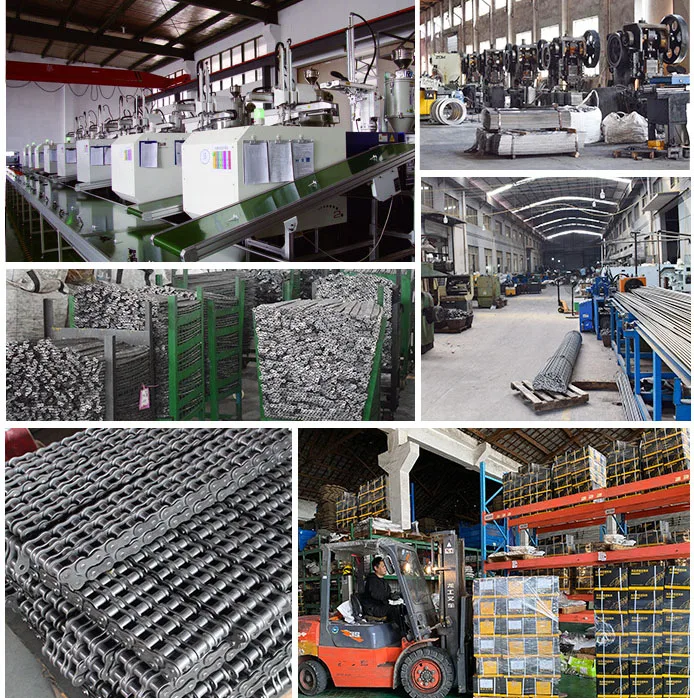
Our company specializes in the development, manufacturing, and sales of drive chains for various applications, including marine propulsion systems. With over 15 years of experience in this field, we have established ourselves as a reliable and reputable provider of high-quality drive chains. Our products are widely used in industries such as automotive, manufacturing, industrial automation, agriculture, construction, mining, and textile. We are committed to delivering innovative solutions, top-notch quality, and competitive prices to our customers worldwide.
Edited by Czh.