
Drive Chains for Pest Control Equipment

Introduction
Pest control equipment plays a crucial role in maintaining a clean and safe environment. One key component that ensures the smooth operation of such equipment is the drive chain. In this article, we will explore the importance of drive chains for pest control equipment and the advantages they offer. We will also delve into the working principles of drive chains, discuss how to select the right drive chain for specific applications, and provide guidance on installation. Additionally, we will showcase our company’s expertise in manufacturing drive chains and highlight our commitment to delivering high-quality products and exceptional service.
1. Drive Chain Applications in Pest Control Equipment
Drive chains are widely used in various pest control equipment applications due to their durability, reliability, and efficiency. The following are five key applications where drive chains excel:
1.1 Sprayers
Drive chains are essential for powering the pumps in sprayers used for pesticide application. Their high tensile strength and resistance to corrosion make them ideal for withstanding the harsh chemicals used in pest control.
1.2 Traps and Bait Stations
Drive chains are integral to the mechanisms that control the opening and closing of traps and bait stations. Their precise and smooth operation ensures effective trapping of pests while minimizing the risk of escape.
1.3 Foggers and Misters
Drive chains provide the necessary power to generate fine mists and distribute insecticides evenly in foggers and misters. This ensures comprehensive coverage of the targeted area and enhances the effectiveness of pest control.
1.4 Automated Monitoring Systems
Drive chains are utilized in automated monitoring systems to move sensors and cameras, allowing for efficient data collection and analysis. Their robust construction enables continuous operation in various environmental conditions.
1.5 Robotic Pest Control Devices
Drive chains are an essential component in the propulsion and movement mechanisms of robotic pest control devices. These devices offer precise and targeted pest elimination, reducing the need for chemical-based treatments.
2. Working Principles of Drive Chains
Drive chains operate based on the principle of converting rotational motion into linear motion. They consist of a series of interconnected links that engage with sprockets to transmit power. As the driving sprocket rotates, it pulls the chain, causing it to move along the desired path and perform the intended function.

3. Selecting the Right Drive Chain for Your Application
Choosing the appropriate drive chain for your pest control equipment is crucial to ensure optimal performance and longevity. Consider the following factors when selecting a drive chain:
3.1 Load Capacity
Assess the maximum load the drive chain will experience during operation. Select a chain with a load rating that exceeds your equipment’s requirements to ensure durability and prevent premature wear.
3.2 Corrosion Resistance
Due to the exposure to chemicals and outdoor conditions, it is essential to choose a drive chain that is highly resistant to corrosion. Stainless steel or nickel-plated chains are suitable options for pest control equipment.
3.3 Environmental Considerations
Take into account the operating environment of your equipment. If it operates in extreme temperatures or encounters abrasive materials, select a drive chain that can withstand these conditions without compromising performance.
3.4 Lubrication Requirements
Determine whether the drive chain requires periodic lubrication or if you prefer a maintenance-free option. Some chains come pre-lubricated or feature self-lubricating properties, reducing maintenance efforts.
3.5 Speed and Accuracy
Consider the desired speed and accuracy of your equipment’s operation. Some drive chains are designed to provide smooth and precise motion, ensuring consistent performance in pest control applications.
4. Drive Chain Installation
The proper installation of drive chains is crucial for their performance and longevity. Follow these steps for a successful drive chain installation:
- Ensure the sprockets are aligned and securely mounted.
- Place the chain around the sprockets, ensuring proper engagement.
- Tension the chain to the manufacturer’s specifications, avoiding excessive or inadequate tension.
- Verify that the chain is properly lubricated according to the manufacturer’s recommendations.
- Inspect the installed chain for any abnormalities or misalignments before operation.
By following these steps, you can ensure the optimal performance and longevity of your drive chain.
Conclusion
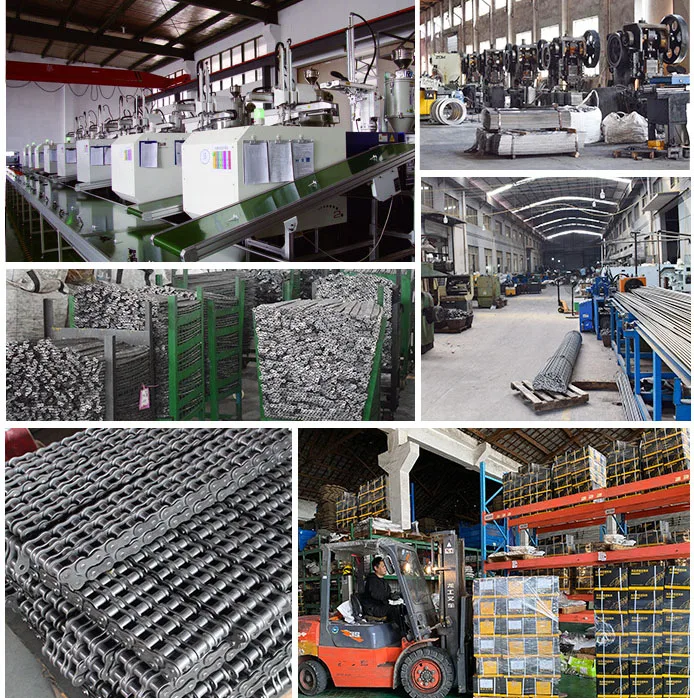
In conclusion, drive chains are essential components in pest control equipment, offering durability, efficiency, and reliability. They find applications in various equipment, including sprayers, traps, foggers, automated monitoring systems, and robotic devices. Drive chains operate based on the principle of converting rotational motion into linear motion and require careful selection based on load capacity, corrosion resistance, environmental considerations, lubrication requirements, and speed and accuracy. Proper installation is crucial for optimal performance. Our company, with over 15 years of experience in drive chain research, development, manufacturing, and sales, is committed to delivering top-quality products and excellent service to our esteemed customers worldwide. We offer a wide range of drive chains and related products for various industries, including the automotive, manufacturing, agricultural, construction, mining, and food and beverage sectors. Trust us for your drive chain needs and experience our superior production capabilities and competitive pricing.
Edited by Czh.