
Drive Chains for Rail Maintenance Equipment

Introduction
Drive chains play a crucial role in the operation of rail maintenance equipment. These robust and durable chains provide efficient power transmission, ensuring smooth and reliable performance. In this blog post, we will explore the various aspects of drive chains for rail maintenance equipment, including their advantages, working principles, selection criteria, installation process, and the promotion of our company’s drive chain products.
Advantages of Drive Chains for Rail Maintenance Equipment
- High tensile strength: Drive chains are designed to withstand heavy loads and provide exceptional tensile strength, making them ideal for rail maintenance equipment.
- Excellent durability: With their robust construction and high-quality materials, drive chains offer excellent resistance to wear, corrosion, and fatigue, ensuring a long service life.
- Efficient power transmission: Drive chains provide efficient power transfer, minimizing energy loss and maximizing the performance of rail maintenance equipment.
- Low maintenance requirements: Drive chains are low-maintenance components, reducing downtime and operational costs for rail maintenance equipment.
- Wide temperature range: Drive chains can operate reliably in a wide range of temperatures, making them suitable for various rail maintenance environments.
Working Principle of Drive Chains
Drive chains consist of a series of interconnected links that engage with sprockets to transmit rotational motion. The links, typically made of high-strength steel, feature specially designed plates and pins that allow them to articulate and engage with the sprockets effectively. As the sprockets rotate, the drive chain transfers the rotational force, enabling the movement of rail maintenance equipment.
Selection Criteria for Drive Chains
- Load capacity: Select a drive chain with a load capacity that exceeds the maximum anticipated load of the rail maintenance equipment.
- Pitch size: Determine the appropriate pitch size based on the sprocket diameter and the desired speed ratio.
- Corrosion resistance: Consider the operating environment and choose a drive chain with suitable corrosion resistance properties.
- Lubrication requirements: Evaluate the lubrication needs of the drive chain and select a chain that aligns with the maintenance practices of the rail maintenance equipment.
- Installation space: Take into account the available installation space and select a drive chain that fits within the constraints.

Drive Chain Installation
The installation of drive chains for rail maintenance equipment requires careful attention to ensure proper functioning and longevity. Here are the general steps involved:
- Clean the sprockets and chain to remove any debris or contaminants.
- Align the sprockets and ensure the appropriate tension of the drive chain.
- Attach the chain to the sprockets, making sure it engages smoothly.
- Verify that the chain is correctly centered on the sprockets and adjust if necessary.
- Apply lubrication to the drive chain as per the manufacturer’s recommendations.
Our Drive Chain Products and Company Overview
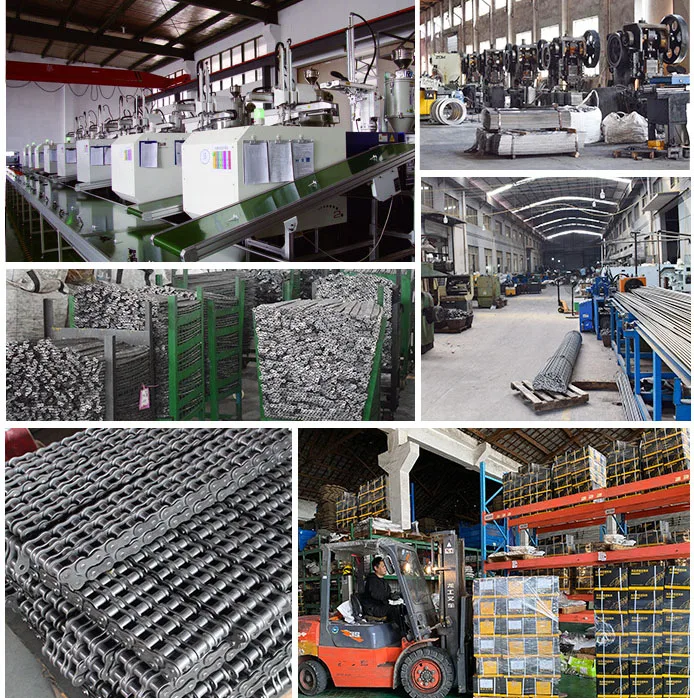
We are a comprehensive transmission equipment manufacturer specializing in the research, development, manufacturing, and sales of drive chains. With over 15 years of experience in the design, production, and distribution of drive chains, we have established a reputation for delivering high-quality products and excellent service to our customers in Europe, America, Africa, and Asia.
Our drive chain products include industrial chains, plastic drag chains, motor chains, bush chains, plastic chains, drag chains, tabletop chains, multiflex chains, flexible chains, and heavy-duty chains. These products find wide applications in the automotive industry, manufacturing and industrial automation, agriculture, construction, mining, food and beverage industry, and textile industry, earning the trust and satisfaction of our customers.
Edited by Czh