
How Do Drive Chains Work in Material Handling Equipment?

Drive chains are essential components in many types of material handling equipment, such as conveyors, elevators, and cranes. They are used to transfer power and motion from one component to another, making it possible to move heavy loads efficiently and safely. In this article, we will explore the working principle of drive chains, how to select the right chain for your application, and how to install and maintain it properly.
How Do Drive Chains Work?
A drive chain typically consists of a series of links that are connected by pins and rollers. The chain is wrapped around two or more sprockets that are mounted on shafts, and the sprockets are connected to the drive motor and the driven component. When the motor rotates, it turns the sprocket, which pulls the chain and the driven component along with it. As the chain moves, the rollers rotate and slide along the teeth of the sprocket, transmitting power and motion.
How to Select the Right Drive Chain for Your Application
Choosing the right drive chain for your material handling equipment is crucial for ensuring reliable and efficient operation. Here are some factors to consider when selecting a drive chain:
1. Load Capacity
The first thing to consider is the load capacity of the chain. You need to choose a chain that can handle the weight of the load you are moving, as well as any dynamic forces that may be generated during operation.
2. Speed and Power Requirements
The speed and power requirements of your equipment will determine the size and strength of the chain you need. Be sure to check the manufacturer’s specifications and recommendations for your specific application.
3. Environmental Conditions
The environmental conditions in which your equipment operates can affect the performance and lifespan of the chain. Factors to consider include temperature, humidity, dust, and exposure to chemicals or corrosive materials.
4. Lubrication Requirements
Some chains require frequent lubrication to prevent wear and extend their lifespan. Others are designed to operate without lubrication, which can simplify maintenance and reduce downtime.
5. Chain Type and Configuration
There are many different types and configurations of drive chains, including standard roller chains, leaf chains, and silent chains. The type and configuration you choose will depend on your specific application and performance requirements.

How to Install Drive Chains
Proper installation is critical for ensuring the safe and reliable operation of your material handling equipment. Here are some tips for installing drive chains:
1. Clean and Inspect the Components
Before installing the chain, make sure that the sprockets, bearings, and other components are clean and free from damage. Any debris or damage can cause premature wear and failure of the chain.
2. Align the Sprockets
The sprockets must be properly aligned to ensure smooth and efficient operation of the chain. Misalignment can cause excessive wear and noise, and can even lead to chain failure.
3. Tension the Chain Properly
The chain must be tensioned properly to prevent excessive slack or tightness. Too much slack can cause the chain to jump off the sprocket, while too much tension can cause premature wear and failure.
4. Lubricate the Chain
If required, lubricate the chain according to the manufacturer’s recommendations. This will help to reduce wear and extend the lifespan of the chain.
Why Choose Drive Chains for Your Material Handling Equipment?
Drive chains offer several advantages over other types of power transmission systems:
1. High Efficiency
Drive chains are highly efficient, with minimal energy losses due to friction and heat. This can help to reduce operating costs and increase productivity.
2. High Load Capacity
Drive chains are capable of handling heavy loads with ease, making them ideal for material handling equipment that requires frequent and reliable movement of heavy loads.
3. Long Lifespan
With proper installation and maintenance, drive chains can last for many years, even in harsh operating conditions.
4. Versatility
Drive chains are available in many different types and configurations, making them suitable for a wide range of applications and performance requirements.
5. Cost-Effective
Drive chains are generally more cost-effective than other types of power transmission systems, especially for applications that require high load capacity and long lifespan.
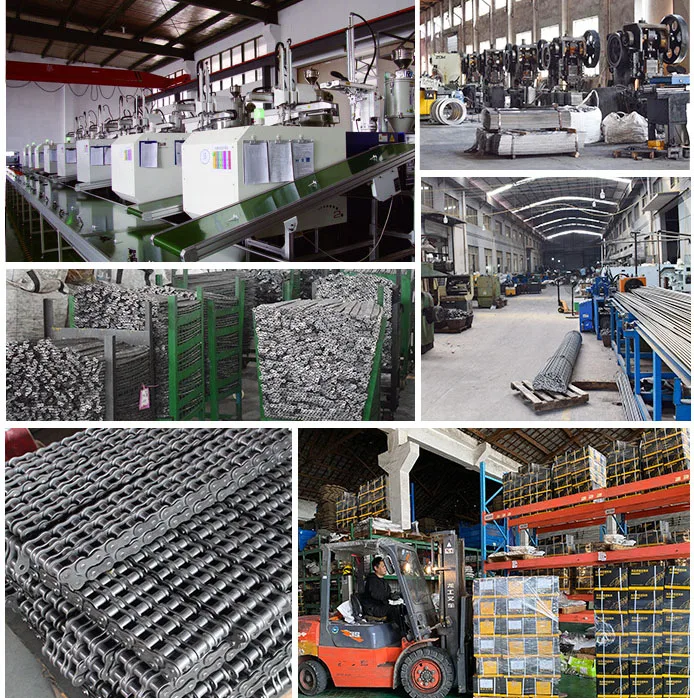
As a comprehensive manufacturer of drive chains, industrial chains, plastic drag chains, motor chains, bush chains, plastic chains, drag chains, tabletop chains, multiflex-chains, flexible chains, and heavy-duty chains, we have over 15 years of experience in design, production, manufacturing, and sales. Our products are widely used in the automotive industry, manufacturing and industrial automation, agriculture, construction, mining, food and beverage industry, textile industry, and more. We have earned a reputation for our high-quality products, efficient services, and competitive prices. Contact us today to learn more about how we can help you with your material handling needs.
Edited by Czh.