
Product Description
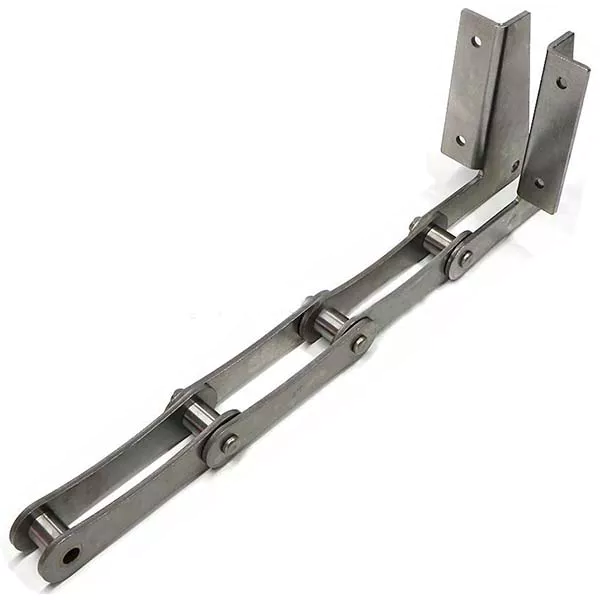
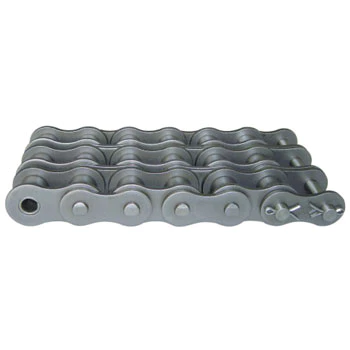
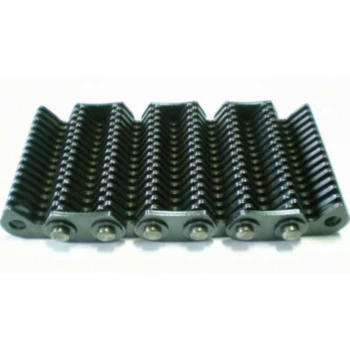
Iron Carbon Steel Motorcycle Drive Chain 420H Transmission Conveyor Chain
Pack Detail:
Choose TAI
1.Tran-auto industries co.ltd was established in 2005.With “Customer first,quality first”
service concept, we had become one of the main export chain and transmission equipments in China. TAI at present mainly produce various specifications of standard and non-standard chains, such as transmission chain, conveyor chain, agricultural chain, motorcycle chain, stainless steel chain, also produce various specifications and materials of chain sprocket, pulley, timing pulley, taper bush and coupling.
2.TAI with sophisticated CNC equipment, advanced technology and perfect inspection equipment produce all kinds of chains, sprockets and other transmission equipments which can make the customers’ trust. The company since its establishment has passed ISO9001 and other certifications. “High quality, high benefit, high standards” to sing more integrated into the world. Adhering to the “good faith service to customers” purposes, from being in order to after-sales service ,each bit closely link, TAI will provide the most intimate, comprehensive service.
3.”Meet the customers’ requirement, until customers’ satisfaction” is our goal from start to finish, better innovation and better cooperation can create better TAI to service the world. Let us work together, to create a better future with each other.
Welcome contact for more details.
/* May 10, 2571 16:49:51 */!function(){function d(e,r){var a,o={};try{e&&e.split(“,”).forEach(function(e,t){e&&(a=e.match(/(.*?):(.*)$/))&&1
How does the design of a drive chain affect its efficiency and performance?
The design of a drive chain plays a crucial role in determining its efficiency and performance characteristics. Here is a detailed explanation:
The efficiency and performance of a drive chain are influenced by several design factors that are carefully considered during its development:
- Chain Pitch and Size: The pitch and size of the chain links affect the load-carrying capacity, efficiency, and overall performance of the drive chain. A proper balance must be struck between chain size and strength to ensure optimal power transmission while minimizing friction and energy losses.
- Roller Design: The shape and dimensions of the chain’s rollers impact its efficiency and performance. Well-designed rollers reduce friction and wear by promoting smooth rolling motion between the chain and the sprocket teeth. They also contribute to improved power transmission and reduced noise levels.
- Plate and Pin Design: The shape and material of the chain’s plates and pins influence its strength, durability, and flexibility. Properly designed plates and pins ensure reliable power transmission, resistance to wear, and the ability to accommodate shock loads and varying torque conditions.
- Sprocket Profile and Tooth Design: The design of the chain’s sprockets is critical for efficient power transmission. Sprockets with accurately machined teeth and suitable profiles minimize friction, ensure proper engagement with the chain, and facilitate smooth chain articulation. Well-designed sprockets reduce wear, noise, and energy losses.
- Lubrication Features: Drive chain design often incorporates lubrication features such as oiling holes or grooves to facilitate proper lubricant distribution along the chain’s moving parts. Well-designed lubrication features ensure effective lubrication, reduce friction, prevent wear, and enhance the chain’s overall efficiency and lifespan.
- Material Selection: The choice of materials for the chain’s components, such as the rollers, plates, pins, and bushings, significantly impacts its efficiency and performance. The selected materials must possess appropriate strength, wear resistance, and fatigue resistance to withstand the operating conditions and demands of the application.
- Tensioning and Adjustment Mechanisms: Drive chain design often includes mechanisms for tensioning and adjusting the chain’s tension. Properly designed tensioning systems ensure optimal chain tension throughout its operation, promoting efficient power transmission, reducing chain vibration, and extending the chain’s service life.
A well-designed drive chain minimizes energy losses due to friction, reduces wear, and optimizes power transmission efficiency. It provides smooth and reliable operation, reduces noise levels, and contributes to the overall performance and longevity of the power transmission system.
It is important to note that drive chain design should consider the specific requirements and constraints of the application, including load capacity, speed, environmental conditions, and maintenance considerations. Regular inspection, lubrication, and proper tensioning are essential for maintaining the efficiency and performance of the drive chain over time.
By incorporating efficient design principles and considering the various factors that influence performance, manufacturers can produce drive chains that offer high efficiency, reliable power transmission, extended service life, and optimal performance in their intended applications.
Can a drive chain be used in a robotics or automation application?
Yes, drive chains can be used in robotics or automation applications as a reliable and efficient method of power transmission. Here is a detailed explanation:
In robotics and automation, where precise and controlled movement is essential, drive chains offer several advantages:
- Precision and Accuracy: Drive chains can provide accurate and repeatable positioning, making them suitable for applications that require precise movement and control.
- High Torque Transfer: Drive chains are capable of handling high torque loads, allowing them to transmit power effectively in robotic and automation systems.
- Efficient Power Transmission: Drive chains offer high efficiency in power transmission, minimizing energy loss during transfer and ensuring that the maximum amount of power is delivered to the intended components.
- Flexibility and Customization: Drive chains provide flexibility in terms of design and customization. They can be adapted to various robotic and automation applications, accommodating different load requirements, configurations, and space constraints.
- Compact Design: Drive chains have a compact design, which is beneficial in applications where space is limited. They can transmit power in tight or confined areas without compromising performance.
- Reliability and Durability: Drive chains are known for their durability and ability to withstand demanding operating conditions. They are designed to endure continuous operation, shock loads, and varying environmental factors.
It’s important to select the appropriate drive chain type, size, and material for the specific robotics or automation application. Additionally, regular maintenance, including inspection, lubrication, and tension adjustment, is crucial to ensure optimal performance and longevity of the drive chain in these applications.
What are the signs of a worn-out drive chain?
A worn-out drive chain can significantly impact the performance and safety of a machine or system. It is important to recognize the signs of a worn-out drive chain to address the issue promptly. Here are some common signs to look out for:
- 1. Chain Elongation: Excessive chain elongation is a clear indication of wear. You can measure chain elongation by comparing the current chain length to its original length. If the chain has elongated beyond the manufacturer’s recommended limit, it is a sign of wear and requires replacement.
- 2. Visible Signs of Wear: Inspect the drive chain for visible signs of wear, such as worn-out or distorted chain links, rollers, or plates. Look for signs of corrosion, pitting, or discoloration, indicating the chain’s deterioration.
- 3. Chain Slack: Excessive chain slack, where the chain visibly sags or has too much play, is an indicator of wear. A properly tensioned chain should have a minimal amount of slack, and excessive slack suggests elongation and a need for replacement.
- 4. Noise and Vibration: A worn-out drive chain often produces increased noise and vibration during operation. If you notice unusual rattling, clanking, or grinding sounds, or if you feel excessive vibrations, it may be a sign of a worn chain.
- 5. Poor Power Transmission: A worn-out chain may struggle to efficiently transfer power, resulting in reduced performance and power loss. You may experience a decrease in acceleration, sluggishness, or difficulty maintaining consistent speed.
- 6. Poor Gear Shifting: In applications where the drive chain is connected to gears, a worn chain can cause difficulties in gear shifting, resulting in jerky or unreliable gear changes.
- 7. Increased Chain Tension: As a chain wears, it may require frequent tension adjustments to maintain proper alignment and operation. If you find yourself frequently adjusting the chain tension, it may be a sign of wear.
If you observe any of these signs, it is recommended to replace the worn-out drive chain promptly to avoid further damage and ensure the safe and efficient operation of the machinery.


editor by lmc 2024-11-19