
Drive Chains for High-Speed Applications

Introduction
Drive chains are essential components used in high-speed applications where power transmission and efficiency are crucial. These chains play a significant role in various industries, such as automotive, manufacturing, industrial automation, agriculture, construction, mining, and the food and beverage industry.
Advantages of Drive Chains for High-Speed Applications
- 1. High Tensile Strength: Drive chains are designed to withstand heavy loads and high speeds, ensuring reliable power transmission.
- 2. Low Noise and Vibration: The precise construction and materials used in drive chains reduce noise and vibration levels, providing a quieter and smoother operation.
- 3. Durability: Drive chains are made from high-quality materials, such as alloy steel, which increases their durability and extends their service life.
- 4. Efficient Power Transmission: These chains have excellent power transmission capabilities, ensuring optimal performance in high-speed applications.
- 5. Easy Maintenance: Drive chains are designed for easy maintenance, allowing for quick and convenient inspections, lubrication, and replacements when necessary.
Working Principle
Drive chains consist of interconnected links that engage with sprockets to transmit power from one rotating shaft to another. The links are typically composed of plates, pins, bushings, and rollers, which work together to transfer torque and maintain the required tension.
Choosing the Right Drive Chain for High-Speed Applications
- 1. Load Capacity: Consider the maximum load the chain will need to bear to ensure it can handle the application’s demands.
- 2. Speed: Determine the required speed of the application and select a drive chain with a suitable maximum speed rating.
- 3. Environmental Factors: Consider the environmental conditions, such as temperature, humidity, and exposure to chemicals, and choose a chain that can withstand these elements.
- 4. Lubrication Requirements: Some drive chains require regular lubrication, while others are designed to operate without lubrication. Select the appropriate chain based on the application’s lubrication capabilities.
- 5. Size and Configuration: Ensure the chain’s size and configuration match the application’s requirements, taking into account factors like pitch, roller diameter, and number of links.

Installation of Drive Chains
Proper installation is crucial for the optimal performance and longevity of drive chains. The following steps outline the general process:
- 1. Prepare the drive system by cleaning the sprockets, shafts, and surrounding areas.
- 2. Align the sprockets and ensure they are securely mounted on their respective shafts.
- 3. Place the chain on the sprockets and ensure it is properly tensioned, without excessive slack or tightness.
- 4. Connect the ends of the chain using the appropriate connecting link.
- 5. Lubricate the chain according to the manufacturer’s recommendations.
- 6. Conduct a test run to verify the chain’s smooth operation and make any necessary adjustments.
About Our Company
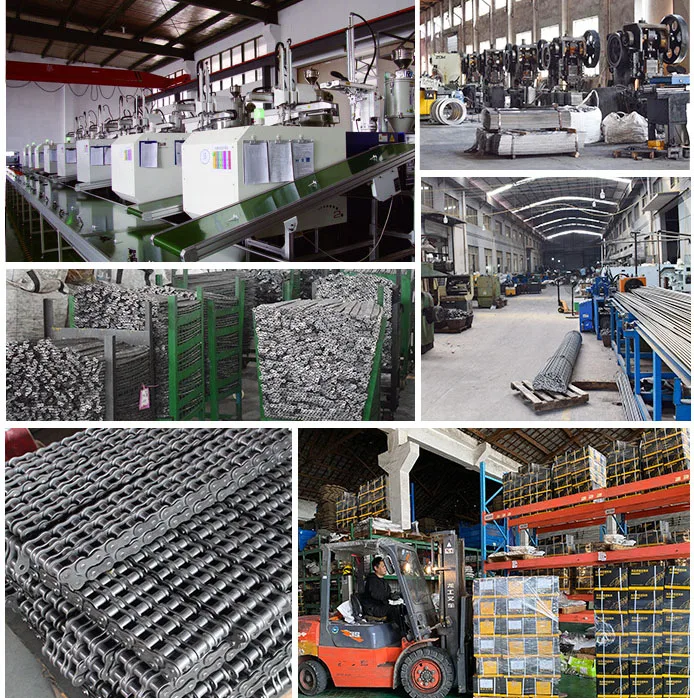
We are a comprehensive transmission equipment manufacturer specializing in the research, development, manufacturing, and sales of drive chains. With over 15 years of experience in design, production, and distribution, we have established a reputation for delivering high-quality products and exceptional service to customers in Europe, America, Africa, and Asia.
Our company is committed to innovation and manufacturing excellence. We utilize advanced production and testing equipment, employ industry professionals for research and development, and implement standardized production management practices to ensure the quality and efficiency of our drive chains. Our product range includes drive chains, industrial chains, plastic drag chains, motor chains, bush chains, plastic chains, drag chains, tabletop chains, multiflex chains, flexible chains, and heavy-duty chains. These products find applications in various industries, including automotive, manufacturing, industrial automation, agriculture, construction, mining, and the food and beverage industry.
Edited by Czh.