
Drive Chains for Hydraulic Systems

Introduction
Drive chains are essential components of hydraulic systems, providing the necessary power to transmit motion and torque from the motor to the various hydraulic components. In this blog post, we will discuss drive chains in detail, including their working principle, selection criteria, and installation process.
Working Principle of Drive Chains
Drive chains work using a simple mechanism. A chain is wrapped around two sprockets, and the sprockets’ teeth engage with the chain’s links. As the motor rotates one sprocket, the chain moves and causes the other sprocket to rotate. This rotation is then transmitted to the hydraulic components of the system.
Selection Criteria for Drive Chains
When selecting a drive chain for a hydraulic system, several factors need to be considered. These include:
1. Load Capacity
The drive chain must be strong enough to handle the system’s maximum load capacity. Overloading the chain can lead to wear and tear, reducing the system’s efficiency and lifespan.
2. Chain Size
The chain’s size must be compatible with the sprockets’ size and pitch. Using an ill-fitting chain can cause excessive vibrations, reducing the system’s accuracy and increasing the wear and tear.
3. Speed
The chain’s speed must match the system’s requirements. Choosing a chain that cannot handle the system’s speed can cause excessive wear and tear and even chain failure.
4. Environment
The chain’s material and design must suit the system’s environment. If the system operates in harsh conditions, such as high temperatures or corrosive environments, the chain must be made of a material that can withstand these conditions.
5. Lubrication
The chain must be lubricated regularly to avoid wear and tear and maintain its efficiency.

Installation Process for Drive Chains
Installing a drive chain in a hydraulic system requires careful attention to detail to ensure it functions correctly. The following steps must be followed:
1. Clean the System
Before installing the chain, the system must be cleaned thoroughly to remove any dirt, debris, or old lubricant.
2. Choose the Correct Chain and Sprockets
The chain and sprockets must be compatible in terms of size, pitch, and load capacity.
3. Tension the Chain
The chain’s tension must be adjusted correctly to avoid excessive wear and tear.
4. Lubricate the Chain
The chain must be lubricated with an appropriate lubricant to ensure it functions correctly.
5. Test the System
After installation, the system must be tested to ensure the chain functions correctly and transmits power efficiently.
Advantages of Drive Chains for Hydraulic Systems
Drive chains offer several advantages for hydraulic systems, including:
1. High Load Capacity
Drive chains can handle high loads, making them suitable for heavy-duty applications.
2. High Efficiency
Drive chains transmit power efficiently, reducing energy waste and increasing the system’s efficiency.
3. Long Lifespan
Drive chains are durable and can withstand wear and tear, reducing the need for frequent replacements.
4. Low Maintenance
With proper lubrication, drive chains require minimal maintenance, reducing downtime and maintenance costs.
5. Versatility
Drive chains are suitable for a wide range of hydraulic system applications, making them a versatile solution.
Our Company
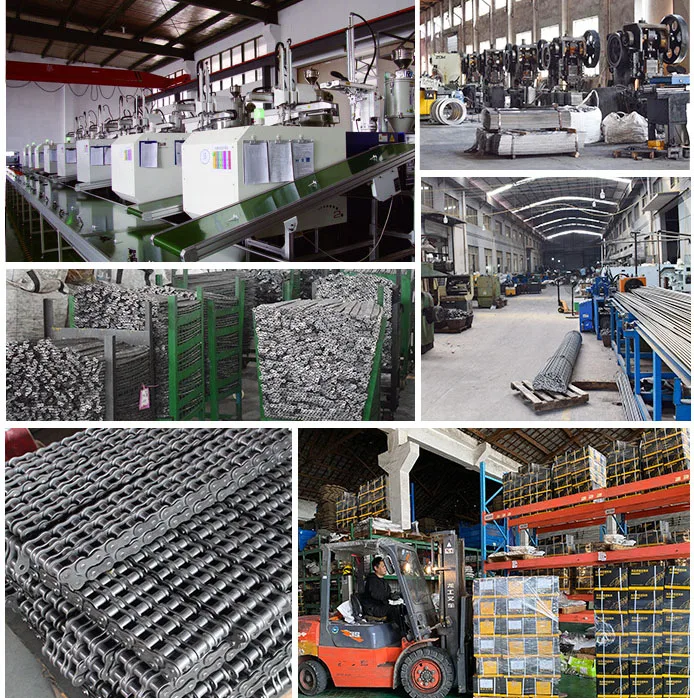
We are a leading manufacturer of drive chains for hydraulic systems, with over 15 years of experience in design, manufacturing, and sales. Our products include industrial chain, plastic drag chain, motor chains, bush chains, plastic chains, drag chain, tabletop chain, multiflex-chain, flexible chain, and heavy-duty chain. Our products are widely used in the automotive, manufacturing and industrial automation, agriculture, construction, mining, food and beverage, and textile industries, among others. We provide high-quality products, efficient services, and competitive prices to our customers worldwide, and our reputation is based on our commitment to quality, innovation, and customer satisfaction.
Edited by Czh.