
Drive Chains for Textile Processing

Introduction
Textile processing is a complex industry that requires efficient and reliable machinery to ensure smooth operations. One essential component in textile processing machinery is the drive chain. Drive chains play a crucial role in transmitting power and motion, enabling the seamless operation of various textile processing equipment.
Benefits of Drive Chains in Textile Processing
Drive chains offer numerous advantages in textile processing applications:
- 1. High Load Capacity: Drive chains can handle heavy loads commonly encountered in textile processing, ensuring reliable performance.
- 2. Precise Motion Control: Drive chains provide accurate and consistent motion control, allowing for precise adjustments during the textile processing.
- 3. Durability: Drive chains are designed to withstand the demanding conditions of textile processing, offering long-lasting performance.
- 4. Low Maintenance: Drive chains require minimal maintenance, reducing downtime and increasing productivity in textile processing operations.
- 5. Cost-Effective: Drive chains offer cost-effective solutions for textile processing machinery, providing reliable performance at competitive prices.

Working Principle of Drive Chains
Drive chains operate based on the principle of interlocking links that transfer power from the driving sprocket to the driven sprocket. The links are designed to engage with the sprocket teeth, creating a positive drive system.
Choosing the Right Drive Chain for Textile Processing
When selecting a drive chain for textile processing applications, several factors should be considered:
- 1. Load Capacity: Choose a drive chain with a suitable load capacity to handle the specific requirements of the textile processing equipment.
- 2. Speed: Consider the operating speed of the machinery and select a drive chain that can handle the desired speed range.
- 3. Environment: Take into account the environmental conditions of the textile processing facility, such as temperature and humidity, and choose a drive chain that can withstand these conditions.
- 4. Lubrication: Determine whether the drive chain requires lubrication and select a chain that aligns with the maintenance practices of the textile processing operation.
- 5. Compatibility: Ensure the chosen drive chain is compatible with the existing machinery and sprockets used in the textile processing equipment.
Installation of Drive Chains
The installation of drive chains in textile processing machinery requires careful attention to ensure optimal performance and longevity. Follow these steps for proper installation:
- 1. Clean the equipment: Thoroughly clean the machinery and remove any debris or contaminants that could affect the performance of the drive chain.
- 2. Check alignment: Ensure the sprockets are properly aligned to prevent excessive wear on the drive chain.
- 3. Lubrication: Apply the recommended lubricant to the drive chain as per the manufacturer’s guidelines.
- 4. Tensioning: Adjust the tension of the drive chain according to the specifications provided by the equipment manufacturer.
- 5. Regular inspection: Periodically inspect the drive chain for signs of wear and damage, and replace as necessary to maintain optimal performance.
Promotion of Our Drive Chains
Our company specializes in the design, manufacturing, and sales of drive chains for various industries, including textile processing. With over 15 years of experience, we have established ourselves as a reliable and reputable provider of high-quality drive chains.
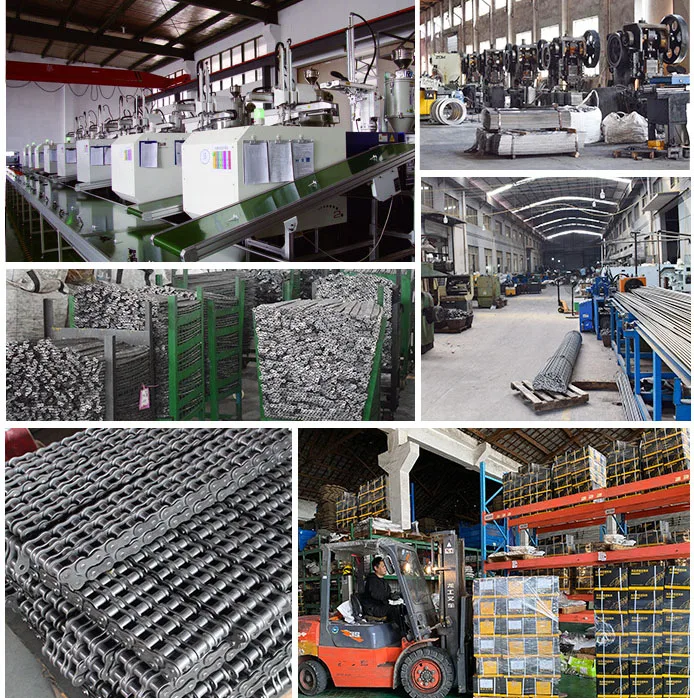
We take pride in our state-of-the-art production facilities and testing equipment, ensuring the highest standards of quality and efficiency in drive chain manufacturing. Our dedicated team of industry professionals consistently strives for innovation and excellence, delivering optimal solutions for our customers.
Our drive chains, including industrial chain, plastic drag chain, motor chains, bush chains, plastic chains, drag chain, tabletop chain, multiflex-chain, flexible chain, and heavy-duty chain, are widely used in various sectors ranging from the automotive industry to manufacturing and industrial automation, agriculture, construction, mining, food and beverage, and textile industries.
Edited by Czh.