How Do Drive Chains Operate in Marine Applications?

Introduction
A drive chain is an essential component of many mechanical systems, including those used in marine applications. It is a type of power transmission chain that transfers energy from one component to another through a series of interconnected links. In marine applications, drive chains are used in various equipment, such as winches, cranes, and propulsion systems. This article will discuss how drive chains operate in marine applications, their advantages, working principles, how to choose the appropriate one, and installation procedures.
Advantages of Drive Chains in Marine Applications
- High strength and durability: Drive chains are designed to withstand heavy loads, shocks, and extreme weather conditions.
- Low maintenance: Drive chains require minimal maintenance and can operate for prolonged periods without lubrication.
- Cost-effective: Drive chains are relatively cheaper compared to other power transmission components.
- Easy to install: Drive chains are simple to install and do not require specialized tools or equipment.
- Efficient power transmission: Drive chains minimize power loss during energy transfer, resulting in high efficiency.
Working Principles of Drive Chains in Marine Applications
Drive chains consist of a series of interconnected links that form a loop. The loop runs over sprockets, which are attached to the driving and driven components. When the driving component rotates, it pulls the chain, causing the driven component to rotate as well. The links of the chain engage with the teeth of the sprockets, transferring power from one component to another.
Choosing the Appropriate Drive Chain for Marine Applications
Choosing the right drive chain is crucial in ensuring optimal performance and longevity in marine applications. Here are some factors to consider when selecting the appropriate drive chain:
- Load capacity: The drive chain should be able to handle the maximum load that the system is expected to bear.
- Environmental conditions: The drive chain should be resistant to corrosion, seawater, and UV radiation to withstand harsh marine environments.
- Speed and RPM: The drive chain’s pitch and size should be compatible with the system’s speed and RPM requirements.
- Alignment: The sprockets must be correctly aligned to prevent premature wear and tear.
- Maintenance requirements: The drive chain should be easy to maintain and repair to minimize downtime.

Installation Procedures for Drive Chains in Marine Applications
The installation procedures for drive chains in marine applications are relatively straightforward. Here are the steps:
- Clean the components and ensure that they are free from dirt, debris, and corrosion.
- Align the sprockets correctly and ensure that they are securely fastened.
- Place the chain over the sprockets, ensuring that the links are correctly engaged with the teeth of the sprockets.
- Tension the chain to the recommended specifications using a tension gauge.
- Lubricate the chain with a suitable lubricant to reduce wear and tear.
- Perform regular maintenance checks to ensure that the chain is functioning optimally.
About Our Company
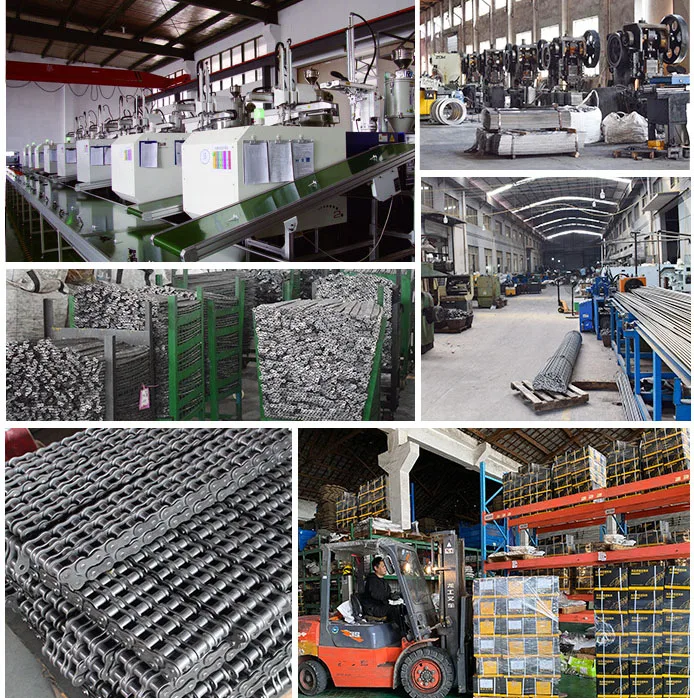
We are a comprehensive transmission equipment manufacturer that specializes in designing, manufacturing, and selling drive chains. With over 15 years of experience in drive chain development, production, and sales, we have served clients in Europe, America, Africa, Asia, and earned a reputation for providing the best services, the highest product quality, and the most competitive pricing. Our factory is equipped with advanced production and testing equipment, and our team of experienced technicians is dedicated to innovation and manufacturing. We control every aspect of the production process, ensuring that our clients receive high-quality, efficient, and stable products. Our products are widely used in the automotive industry, manufacturing and industrial automation, agriculture, construction, mining, food and beverage industries, textile industry, etc.