
How to Troubleshoot Drive Chain Alignment Issues

Introduction
Drive chains are an important component of many applications, including vehicles, agricultural equipment, and manufacturing machinery. However, if the drive chain is not properly aligned, it can cause a number of issues, including excessive wear, chain fatigue, and decreased efficiency. In this article, we will discuss how to troubleshoot drive chain alignment issues and ensure that your equipment is functioning at its best.
How Drive Chains Work
Before we dive into alignment issues, let’s first review how drive chains work. Drive chains consist of a series of interconnected links that transmit power from one component to another. The links are typically made of metal and are designed to withstand the stresses of high torque and high-speed applications. The chain is driven by a sprocket, which engages with the links and pulls the chain forward. The sprocket is connected to a motor or engine, which provides the power to turn the chain.
Common Alignment Issues
1. Misaligned Sprockets
One of the most common causes of drive chain alignment issues is misaligned sprockets. If the sprockets are not lined up correctly, the chain will not track properly, leading to excessive wear and tear. To check for misaligned sprockets, use a straightedge to ensure that the sprockets are parallel to each other and perpendicular to the shaft.
2. Worn Sprockets
Worn sprockets can also cause drive chain alignment issues. Over time, the teeth on the sprockets can become worn or damaged, which can cause the chain to slip or jump. To check for worn sprockets, inspect the teeth for signs of wear or damage. If the teeth are worn down or have chips or cracks, it may be time to replace the sprockets.
3. Loose or Worn Chain
A loose or worn chain can also cause alignment issues. If the chain is too loose, it can jump off the sprockets or wear down the teeth. If the chain is too worn, it may not track properly on the sprockets. To check for a loose or worn chain, measure the distance between the sprockets and the chain with a ruler. If the chain is more than 1/2 inch away from the sprockets, it may be too loose. If the chain is stretched or has kinks, it may be time to replace it.
4. Bent Shafts
Bent shafts can cause misalignment issues and lead to excessive wear on the chain and sprockets. To check for bent shafts, use a dial indicator to measure the runout. If the runout is more than 0.002 inches, it may be time to replace the shaft.
5. Improper Tensioning
Finally, improper tensioning can also cause alignment issues. If the chain is too loose or too tight, it can cause excessive wear on the chain and sprockets. To ensure proper tensioning, follow the manufacturer’s guidelines for your specific application.
How to Select the Right Drive Chain
Now that we’ve discussed how to troubleshoot alignment issues, let’s talk about how to select the right drive chain for your application. There are several factors to consider when selecting a drive chain, including:
1. Load Capacity
The load capacity of the chain is one of the most important factors to consider. Make sure the chain you select can handle the maximum load of your application.
2. Speed Capability
The speed capability of the chain is also important. Make sure the chain can handle the maximum speed of your application without breaking or wearing down too quickly.
3. Environment
The environment in which the chain will be used is another important consideration. If the chain will be exposed to extreme temperatures, chemicals, or other harsh conditions, make sure you select a chain that is designed for those conditions.
4. Chain Type
There are several different types of drive chains available, including roller chains, silent chains, and leaf chains. Each type has its own advantages and disadvantages, so make sure you select the right type for your application.
5. Maintenance Requirements
Finally, consider the maintenance requirements of the chain. Some chains require more maintenance than others, so make sure you select a chain that is appropriate for your maintenance schedule.

How to Install Drive Chains
Once you’ve selected the right drive chain for your application, it’s important to install it correctly to ensure proper alignment and performance. Here are some tips for installing drive chains:
1. Clean the Components
Before installing the new chain, make sure you clean the sprockets and other components to remove any dirt or debris that could cause alignment issues.
2. Check the Alignment
Use a straightedge to check the alignment of the sprockets before installing the new chain. Make sure they are parallel to each other and perpendicular to the shaft.
3. Install the Chain
Install the new chain on the sprockets, making sure it is properly tensioned and aligned. Follow the manufacturer’s guidelines for the proper tensioning procedure.
4. Lubricate the Chain
Finally, make sure you lubricate the chain regularly to ensure proper performance and prevent excessive wear and tear.
About Our Company
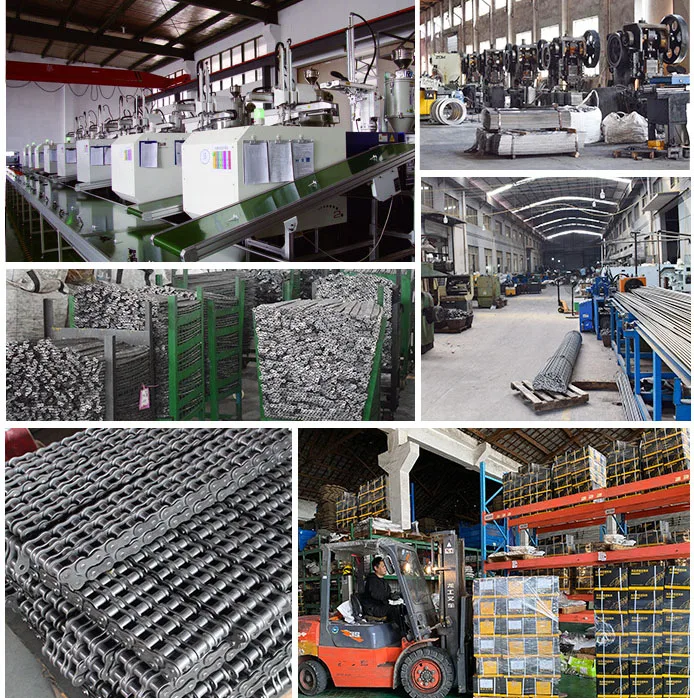
Our company is a comprehensive transmission equipment manufacturer that specializes in drive chain design, production, and sales. With over 15 years of experience in the industry, we have served customers in Europe, the Americas, Africa, and Asia, earning a reputation for providing high-quality products and excellent service. We use advanced production and testing equipment, employ industry professionals for innovation and manufacturing, and use standardized production management methods to strictly control every aspect of the drive chain production. Our products, including drive chains, industrial chains, plastic drag chains, motor chains, bush chains, plastic chains, drag chains, tabletop chains, multiflex-chains, flexible chains, and heavy-duty chains, are widely used in the automotive, manufacturing and industrial automation, agriculture, construction, mining, food and beverage, and textile industries. Our company provides the highest quality products, the most efficient service, and the most competitive pricing, and we are dedicated to providing our customers with the best products possible.
Conclusion
Drive chains are an essential component of many applications, but they can cause issues if not properly aligned. By following the tips in this article, you can troubleshoot alignment issues and ensure that your equipment is functioning at its best. When selecting a drive chain, consider the load capacity, speed capability, environment, chain type, and maintenance requirements to make the best choice for your application. And if you’re looking for a reliable drive chain manufacturer, look no further than our company. With our experience, expertise, and dedication to quality, we are the best choice for all your drive chain needs.