
What Are the Common Testing Methods for Drive Chains?

Introduction
Drive chains are an essential component in various applications, providing reliable and efficient power transmission. To ensure their quality and performance, drive chains undergo rigorous testing using various methods. In this article, we will explore the common testing methods for drive chains.
1. Tensile Strength Testing
Tensile strength testing assesses the maximum amount of tensile load a drive chain can withstand without breaking. This test helps determine the chain’s overall strength and durability.
2. Fatigue Testing
Fatigue testing evaluates the chain’s resistance to repeated stress and strain. The drive chain is subjected to cyclic loading to simulate real-world operating conditions, ensuring its ability to withstand prolonged use.
3. Wear Testing
Wear testing measures the chain’s resistance to wear and determines its service life. This method involves subjecting the chain to abrasive materials or harsh environments to evaluate its wear resistance.
4. Lubrication Testing
Lubrication testing assesses the chain’s performance under various lubrication conditions. It helps determine the optimal lubrication requirements to minimize friction, reduce wear, and extend chain life.
5. Corrosion Testing
Corrosion testing evaluates the chain’s resistance to corrosion, which can occur due to exposure to moisture, chemicals, or other corrosive substances. This test ensures that the chain maintains its structural integrity and performance in corrosive environments.
6. Temperature Testing
Temperature testing assesses the chain’s performance under extreme temperature conditions. This test helps determine the chain’s ability to withstand high heat or cold temperatures without compromising its functionality.
7. Impact Testing
Impact testing evaluates the chain’s ability to withstand sudden and intense loads or shocks. It helps determine the chain’s resistance to impact and its ability to handle dynamic loads without failure.
8. Noise Testing
Noise testing assesses the drive chain’s noise level during operation. This test helps identify any excessive noise that may indicate improper lubrication, wear, or other issues.
9. Dimensional Accuracy Testing
Dimensional accuracy testing ensures that the drive chain meets the specified dimensional requirements. This test verifies the chain’s precise fit and compatibility with other components in the application.
10. Chemical Analysis
Chemical analysis involves analyzing the chain’s composition to ensure it meets the required material specifications. This test helps verify the chain’s quality and confirms the use of suitable materials.

Application and Advantages of Drive Chains
Drive chains are widely used in various applications due to their numerous advantages:
- High load-carrying capacity: Drive chains can handle heavy loads and provide reliable power transmission.
- Wide range of speed ratios: Drive chains allow for flexible speed adjustments, making them suitable for different application requirements.
- Long service life: With proper maintenance and lubrication, drive chains can operate efficiently for extended periods.
- High efficiency: Drive chains minimize power losses during transmission, ensuring efficient energy transfer.
- Adaptability: Drive chains can operate in various environments, including high temperatures, corrosive conditions, and dusty environments.
Working Principle of Drive Chains
Drive chains operate based on the principle of converting rotary motion into linear motion. They consist of interconnected links that engage with sprockets to transmit power from one component to another.
How to Choose the Right Drive Chain for Your Application
When selecting a drive chain for a specific application, consider the following factors:
- Load requirements: Determine the maximum load the chain needs to carry to ensure it can handle the application’s demands.
- Speed range: Consider the required speed range and ensure the selected chain can operate within that range.
- Environmental conditions: Evaluate the application’s environment for factors such as temperature, moisture, chemicals, or abrasives that may affect chain performance.
- Maintenance considerations: Assess the maintenance requirements and availability of lubrication for the chain.
- Compatibility: Ensure the selected chain is compatible with other components, such as sprockets and shafts, in the application.
Drive Chain Installation
Proper installation of drive chains is crucial for their optimal performance and longevity. Follow the manufacturer’s guidelines and consider the following steps:
- Clean the application area and ensure it is free from dust, debris, or other contaminants.
- Inspect the chain for any signs of damage or defects before installation.
- Ensure proper alignment of sprockets and tension the chain as per the manufacturer’s recommendations.
- Apply suitable lubrication to minimize friction and ensure smooth operation.
- Regularly inspect and maintain the drive chain to prevent wear, ensure proper tension, and replace any worn or damaged components.
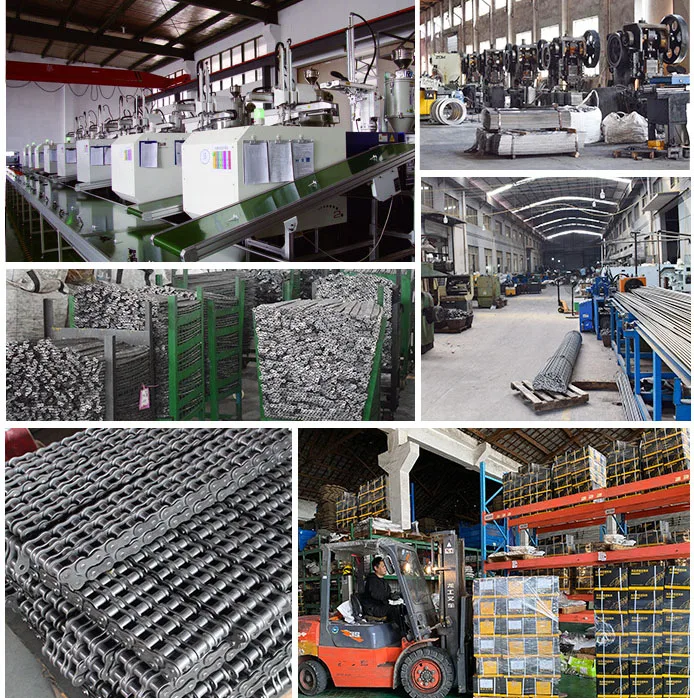
Our company is a leading manufacturer specializing in the research, development, manufacturing, and sales of drive chains. With over 15 years of experience, we have gained a reputation for providing high-quality products and excellent service to customers in Europe, America, Africa, and Asia. We have state-of-the-art production and testing equipment, a team of industry professionals, and a commitment to innovation and quality. Our drive chains, industrial chains, plastic drag chains, motor chains, bush chains, plastic chains, and other products are widely used in industries such as automotive, manufacturing and industrial automation, agriculture, construction, mining, food and beverage, and textile. We strive to deliver the highest product quality, energy efficiency, and competitive prices to meet our customers’ needs.
Edited by Czh