
What Are the Important Specifications for Drive Chains?

Introduction
A drive chain is a crucial component in various applications that require power transmission. It consists of interconnected links that form a flexible and durable mechanism. Understanding the important specifications for drive chains is essential to ensure optimal performance and reliability.
1. Pitch Size
The pitch size refers to the distance between any two adjacent pin centers on the chain. It determines the compatibility of the chain with a particular sprocket or gear. Different applications require different pitch sizes to accommodate various power requirements.
2. Roller Diameter
The roller diameter is the measurement of the chain’s rollers. It affects the chain’s load-carrying capacity and durability. Larger roller diameters are generally able to withstand higher loads, making them suitable for heavy-duty applications.
3. Tensile Strength
Tensile strength measures the maximum load a chain can withstand without breaking. It is an important specification to consider when selecting a drive chain for demanding applications. Higher tensile strength chains offer increased durability and reliability under heavy loads.
4. Material Composition
The material composition of a drive chain determines its resistance to wear, corrosion, and fatigue. Common materials include carbon steel, stainless steel, and alloy steels. The choice of material depends on the specific application and environmental conditions.
5. Lubrication Requirements
Proper lubrication is crucial for drive chains to reduce friction and wear. Some chains require periodic lubrication, while others are pre-lubricated or self-lubricating. Understanding the lubrication requirements ensures the longevity and smooth operation of the chain.

Drive Chain Application and Advantages
Drive chains are well-suited for a wide range of applications due to their inherent advantages:
- High power transmission efficiency
- Ability to handle heavy loads and high speeds
- Durable and resistant to wear and fatigue
- Wide variety of sizes and configurations available
- Cost-effective and reliable
Working Principle of Drive Chains
Drive chains operate based on the principle of interlocking links that engage with sprockets or gears. As the sprocket rotates, it pulls the chain, transferring power from the driving component to the driven component. The engagement between the chain and the sprocket ensures efficient power transmission.
Choosing the Right Drive Chain for Your Application
When selecting a drive chain for a specific application, consider the following factors:
- Application requirements and operating conditions
- Power transmission needs
- Environmental factors such as temperature and moisture
- Speed and load requirements
- Compatibility with existing equipment
Drive Chain Installation
Proper installation of drive chains is crucial for optimal performance and longevity. Follow these steps:
- Ensure proper alignment of sprockets and gears
- Adjust tension to the manufacturer’s specifications
- Apply appropriate lubrication
- Periodically inspect and maintain the chain
- Replace worn or damaged components as necessary
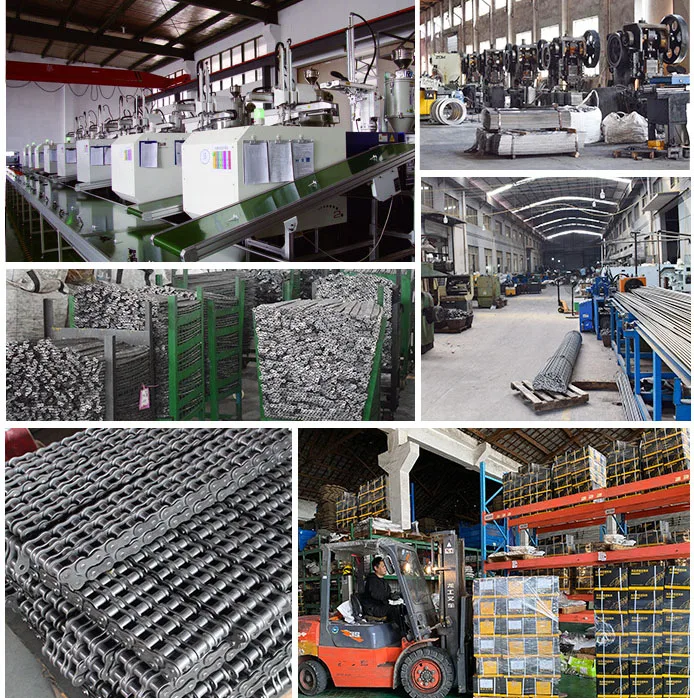
Choose our company for your drive chain needs. We are a comprehensive transmission equipment manufacturer with over 15 years of experience in the design, production, and sales of drive chains. We have served customers in Europe, America, Africa, Asia, and gained a good reputation in the market.
Our company is committed to providing high-quality products, energy efficiency, and stability. We have introduced advanced production and testing equipment, employed industry professionals for innovative research and development, and implemented standardized production management to ensure the highest product quality.
Our range of products includes drive chains, industrial chains, plastic drag chains, motor chains, bush chains, plastic chains, drag chains, tabletop chains, multiflex chains, flexible chains, and heavy-duty chains. These products find applications in various industries such as automotive, manufacturing, industrial automation, agriculture, construction, mining, food and beverage, and textile.
Edited by Czh.