
What Are the Key Considerations for Drive Chain Lubrication?

Introduction
Drive chains are an essential component in many mechanical systems, providing a means of transmitting power efficiently and reliably. Proper lubrication is crucial for maximizing the performance and lifespan of drive chains. In this article, we will explore the key considerations for drive chain lubrication and provide valuable insights into selecting, installing, and maintaining drive chains.
1. Understanding the Importance of Lubrication
Proper lubrication plays a critical role in the performance and longevity of drive chains. It reduces friction, wear, and heat generation, ensuring smooth operation and minimizing the risk of chain failure. Lubrication also protects against corrosion, contamination, and premature elongation, enhancing the overall reliability of the drive system.
2. Types of Lubricants for Drive Chains
When it comes to lubricating drive chains, various factors must be considered, including the operating conditions, load, speed, and environment. Choosing the right lubricant is essential to achieve optimal chain performance. Here are some common types of lubricants used for drive chains:
2.1. Mineral Oil-based Lubricants
Mineral oil-based lubricants are the most widely used type for general drive chain applications. They provide good lubrication and protection against wear and corrosion. However, their effectiveness may vary under extreme temperature or high-speed conditions.
2.2. Synthetic Lubricants
Synthetic lubricants offer superior performance characteristics compared to mineral oil-based lubricants. They provide enhanced protection, even in extreme temperature, high-speed, or high-load conditions. Synthetic lubricants also have excellent thermal stability and longer service life.
2.3. Dry Lubricants
Dry lubricants, such as PTFE-based coatings or solid film lubricants, are often used in applications where conventional liquid lubricants are not suitable. They provide lubrication without attracting dust, dirt, or debris, making them ideal for dusty or dirty environments.
3. Lubrication Methods
Applying lubricant to drive chains can be done using different methods, depending on the specific requirements and equipment design. Here are some common lubrication methods:
3.1. Manual Lubrication
Manual lubrication involves periodic application of lubricant directly to the chain using a brush, oil can, or spray. This method allows for precise control over the lubrication process and is commonly used in smaller-scale or less automated systems.
3.2. Drip Lubrication
Drip lubrication is a simple and cost-effective method where lubricant is dispensed onto the chain through a series of drip feeders. The lubricant drips onto the chain at a controlled rate, ensuring continuous lubrication. This method is suitable for systems with low to moderate speeds and loads.
3.3. Immersion Lubrication
Immersion lubrication involves submerging the chain in a lubricant bath or reservoir. The chain moves through the lubricant, ensuring complete coverage and constant lubrication. This method is commonly used in high-speed or high-load applications.
4. Selecting the Right Drive Chain
Choosing the appropriate drive chain for your application is crucial to ensure optimal performance and longevity. Consider the following factors when selecting a drive chain:
4.1. Load Capacity
Assess the maximum load the drive chain will need to handle. Choose a chain with a sufficient load capacity to prevent premature wear or failure.
4.2. Speed
Determine the rotational speed of the chain. Higher speeds may require chains with special designs or materials to minimize friction, heat generation, and wear.
4.3. Environment
Evaluate the operating environment for factors such as temperature, humidity, dust, and chemical exposure. Select a chain that can withstand these conditions and choose a compatible lubricant.
4.4. Maintenance Requirements
Consider the maintenance capabilities of your system. Some chains may require more frequent lubrication or specialized maintenance practices.
4.5. Cost-effectiveness
Weigh the initial cost and expected lifespan of the chain against the cost of maintenance and potential downtime. Choose a chain that offers the best balance between performance and cost-effectiveness.

5. Drive Chain Installation
Proper installation of drive chains is crucial for their performance and longevity. Follow these guidelines for successful installation:
5.1. Pre-Installation Inspection
Inspect the chain, sprockets, and related components for any visible damage or wear. Replace any worn or damaged parts before installation.
5.2. Correct Tensioning
Ensure proper tensioning of the chain according to the manufacturer’s recommendations. Over-tensioning can cause premature wear, while under-tensioning may lead to slippage or disengagement.
5.3. Alignment
Align the sprockets and ensure they are parallel and in the same plane. Misalignment can cause excessive wear, noise, and premature failure.
5.4. Lubrication
Apply the appropriate lubricant to the chain following the recommended method and frequency. Ensure even distribution of the lubricant along the entire chain length.
5.5. Regular Inspection and Maintenance
Regularly inspect the chain for any signs of wear, damage, or inadequate lubrication. Perform routine maintenance tasks, such as reapplying lubricant or adjusting tension, as necessary.
Drive chains are suitable for a wide range of applications due to their versatility and reliability. Here are five advantages of using drive chains:
- 1. Exceptional Durability: Drive chains are designed to withstand high loads and harsh operating conditions, making them ideal for heavy-duty applications.
- 2. Efficient Power Transmission: Drive chains offer high efficiency in transmitting power, minimizing energy loss and ensuring optimal system performance.
- 3. Wide Speed Range: Drive chains can operate at various speeds, from low to high, without compromising performance or reliability.
- 4. Adaptability to Different Environments: Drive chains can perform reliably in a wide range of environments, including extreme temperatures, humid or corrosive conditions.
- 5. Cost-effectiveness: Drive chains provide a cost-effective solution for many applications, offering long service life and easy maintenance.
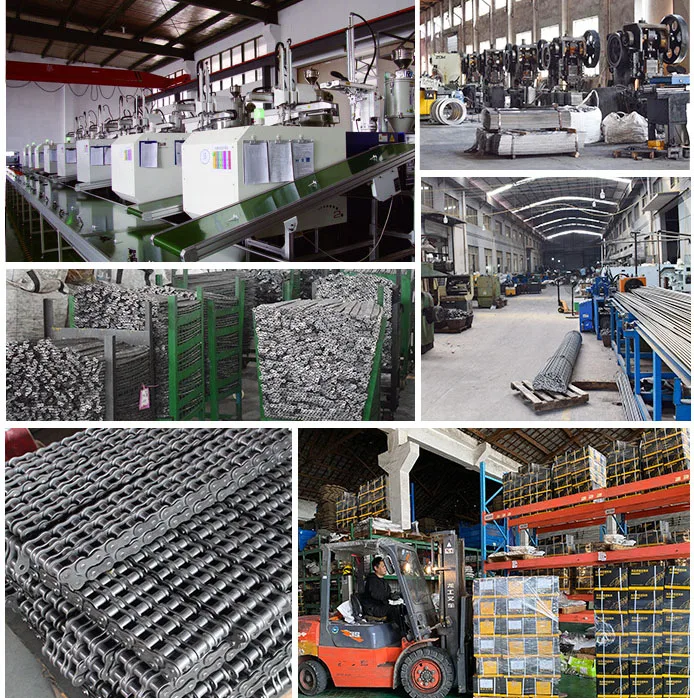
With our extensive experience in drive chain development, manufacturing, and sales, we are a leading comprehensive transmission equipment manufacturer. Our drive chains have been trusted and acclaimed by customers worldwide, particularly in Europe and America. We pride ourselves on providing the highest quality products, exceptional service, and competitive prices. Our drive chains are just one of our main offerings, alongside industrial chains, plastic drag chains, motor chains, bush chains, plastic chains, drag chains, tabletop chains, multiflex chains, flexible chains, and heavy-duty chains. These products find wide applications in various industries, including automotive, manufacturing, industrial automation, agriculture, construction, mining, food, and beverage. We invite you to experience our drive chains and witness our commitment to excellence.
Edited by Czh