
What Are the Safety Standards for Drive Chains?

A drive chain is a crucial component in various applications that require power transmission. To ensure safe and reliable operation, it is essential to comply with specific safety standards. In this blog post, we will explore the safety standards for drive chains and discuss their importance in different industries.
1. Chain Material and Strength
One of the key safety standards for drive chains is the selection of appropriate chain material and ensuring sufficient strength. The chain material should be able to withstand the expected loads and operating conditions without deformation or failure.
2. Lubrication and Maintenance
Proper lubrication and regular maintenance are vital for the safe operation of drive chains. Lubrication reduces friction and wear, increasing the lifespan of the chain. Regular inspections and maintenance activities help identify any potential issues and prevent accidents or breakdowns.
3. Sprocket Alignment
Ensuring proper sprocket alignment is essential for the smooth and reliable operation of drive chains. Misalignment can cause excessive wear, noise, and even chain failure. Following the recommended specifications for sprocket alignment helps maintain the integrity and safety of the drive chain.
4. Tension and Slack
Drive chains should be properly tensioned to ensure efficient power transmission and minimize the risk of unexpected slack or excessive tension. Tensioning devices and regular inspections play a crucial role in maintaining the correct tension, reducing the chances of accidents or chain failure.
5. Guarding
In many applications, it is necessary to install guards around the drive chains to protect operators and prevent accidental contact. Guards should be designed and installed according to relevant safety standards, ensuring they effectively cover the chain and minimize the risk of injury.
6. Environmental Considerations
Environmental factors, such as temperature, humidity, and corrosive substances, can affect the performance and safety of drive chains. Adhering to safety standards includes considering these environmental conditions and selecting appropriate chain materials and lubricants to ensure optimal durability and safety.
7. Proper Training and Operation
Safe operation of drive chains also relies on proper training for operators. They should be familiar with the equipment, safety protocols, and maintenance procedures. Regular training sessions and clear operating instructions contribute to a safer working environment.

Drive chains are widely used in various applications due to their numerous advantages:
- High Efficiency: Drive chains offer excellent power transmission efficiency, minimizing energy loss.
- Strong and Durable: Drive chains are designed to withstand heavy loads and harsh operating conditions, ensuring long-lasting performance.
- Wide Speed Range: Drive chains can operate at various speeds, making them suitable for different applications.
- Compact Design: Drive chains have a compact design, allowing for efficient use of space in machinery and equipment.
- Cost-Effective: Drive chains are cost-effective solutions for power transmission, offering a high return on investment.
When selecting a drive chain for specific applications, several factors should be considered:
- Load Capacity: The drive chain should have sufficient load-carrying capacity to handle the expected loads without deformation or failure.
- Speed Range: Consider the desired operating speed range and select a drive chain that can handle the specified speeds.
- Environmental Conditions: Evaluate the operating environment, including temperature, humidity, and exposure to corrosive substances, and choose a chain material that can withstand these conditions.
- Maintenance Requirements: Consider the maintenance requirements and choose a drive chain that is easy to maintain and offers long service intervals.
- Cost-Effectiveness: Assess the overall cost-effectiveness of the drive chain, including initial purchase cost, maintenance cost, and expected lifespan.

Installing a drive chain requires careful attention to ensure proper operation and safety. The following steps can guide the installation process:
- Clean the Components: Before installation, ensure that all components are clean and free from dirt, debris, or contaminants.
- Align the Sprockets: Properly align the sprockets to prevent misalignment, excessive wear, or chain failure.
- Adjust the Tension: Adjust the tension of the drive chain to the recommended value, avoiding excessive slack or tension.
- Lubricate the Chain: Apply the appropriate lubricant to the chain to reduce friction and wear during operation.
- Inspect and Test: After installation, thoroughly inspect the drive chain and perform a test run to ensure smooth and reliable operation.
As a leading manufacturer in the drive chain industry, our company is committed to providing high-quality products and excellent services. We have over 15 years of experience in the design, production, and sales of drive chains. Our drive chains are widely used in the automotive industry, manufacturing and industrial automation, agriculture, construction, mining, food and beverage industry, textile industry, and more.
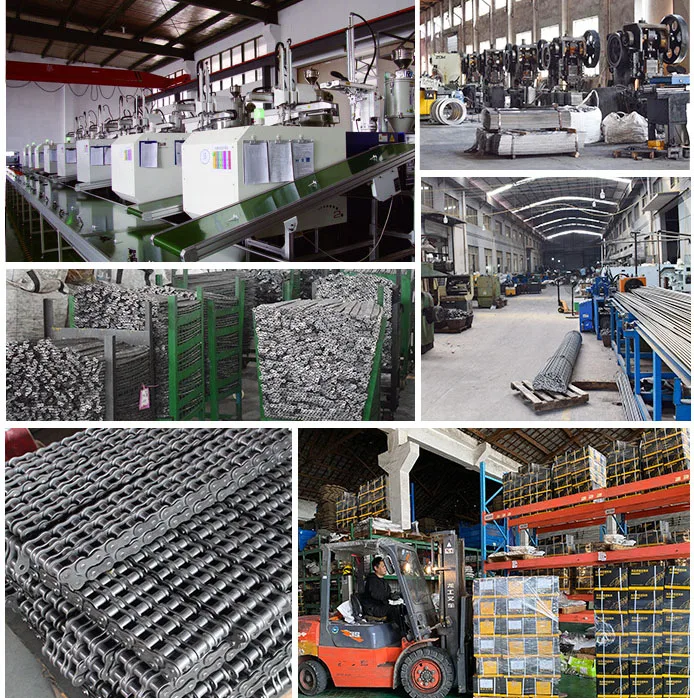
With our advanced production and testing equipment, we maintain strict control over every aspect of the drive chain manufacturing process to ensure high quality, energy efficiency, and stability. We have earned a reputation for delivering products with exceptional performance and durability, serving customers in Europe, America, Africa, and Asia.
Take a look at our state-of-the-art factory:
Edited by Czh